“Think Supersystemic” is a discussion series through which we explore the science, art and economy of interconnectedness. Feel free to watch the below interviews.
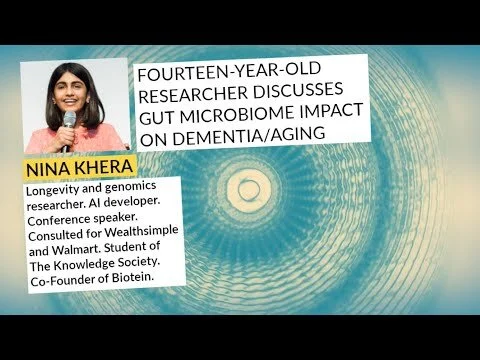
Nina Khera, longevity and genomics researcher, shares some details of her research on the human gut microbiome as it relates to dementia and aging.
Nina is a 14-year-old longevity and genomics researcher who was introduced to Supersystemic.ly through The Knowledge Society. Aside from focusing on genomics and longevity, Nina co-founded a start-up call Biotein, which seeks to use gene sequencing to diagnose schizophrenia at an early stage. She has also worked with Wealthsimple and Walmart, and has spoken all over North America at conferences like Collision and ConnectIT.
https://ninakhera.com/
https://tks.world/
Produced by Think Supersystemic: Science/Art/Economy of Interconnectedness
“Supersystemic” perspectives and innovations are those that encourage the reversal of monoculturization as a means of solving problems.
Music: Theory of Colours by Dauwd
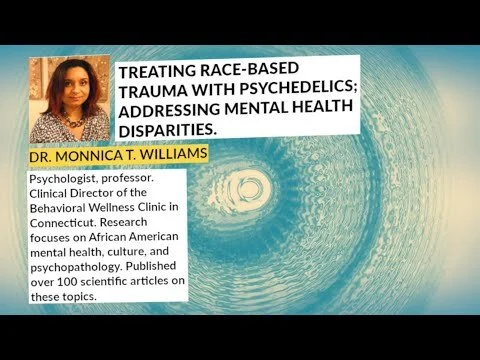
Dr. Monnica T. Williams discusses her work in asessing racial trauma and mental health disparities in African-American communities.
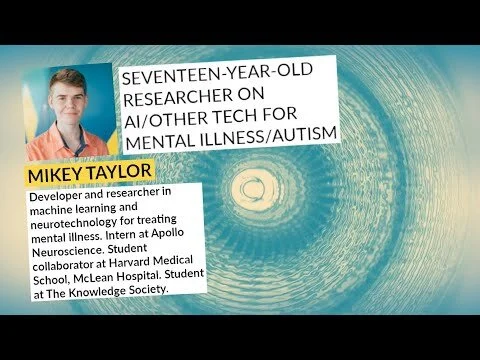
Mikey Taylor, researcher in machine learning and neurotechnology, discusses the implications of his work, and other research, on mental illness and autism.
Mikey is a 17-year-old innovator on a mission to treat mental illness. A passionate machine learning developer interested in the brain, he has used exponential technologies like artificial intelligence and neurotechnology to innovate in the mental health space and beyond.
https://www.mikeystaylor.com/
Produced by Think Supersystemic: Science/Art/Economy of Interconnectedness.
“Supersystemic” perspectives and innovations are those that encourage the reversal of monoculturization as a means of solving problems.
Music: Theory of Colours by Dauwd
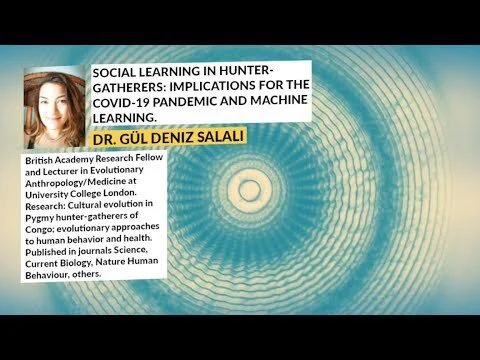
Dr. Gul Deniz Salali shares findings from her research on social learning in hunter-gatherers. She proposes that machine learning strategies may benefit from a deeper understanding of social learning.
Dr. Erik Hoel shares his new theory on the biological function of dreams and art, discusses the implications it has for machine learning.
Shelby Hartman and Madison Margolin of Double Blind Magazine give an overview of the research behind the medicinal and recreational use of psychedelics and propose ideas about how the class of medicines might be useful during periods of instability, such as the Covid-19 pandemic.
Dr. Ricard Sole details some easy to understand principles of complex systems that everyone should know.
Abiodun Henderson explains her approach to using community-based agriculture for improving lives and building community resiliency.
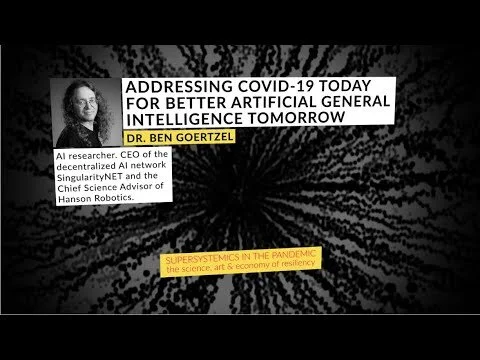
Dr. Ben Goertzel shares some ideas about how artificial general intelligence may help us deal with pandemics and, more generally, make the world a better place.
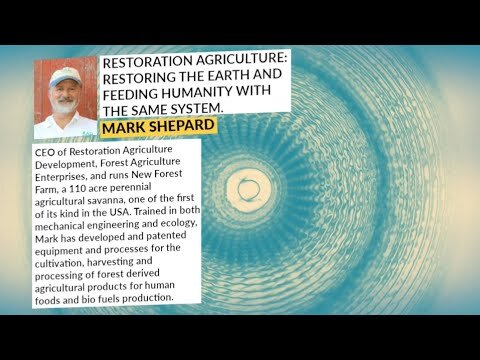
Mark Shepard discusses his life's work to restore the Earth while growing food in abundance.
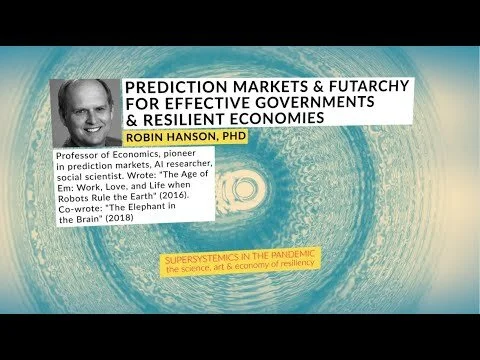
Robin Hanson, PhD, who is a pioneer in prediction markets, and incredible thinker, discusses the basics of prediction markets and his concept of futarchy, He expands on how these innovations/concepts can help us build more efficient governments and resilient economies.
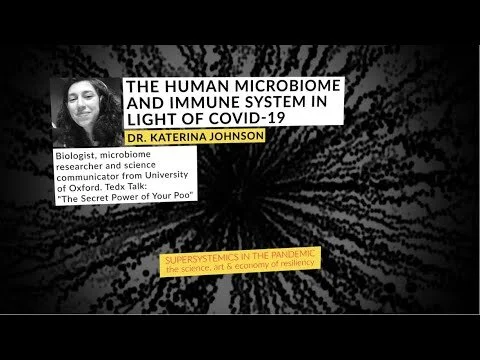
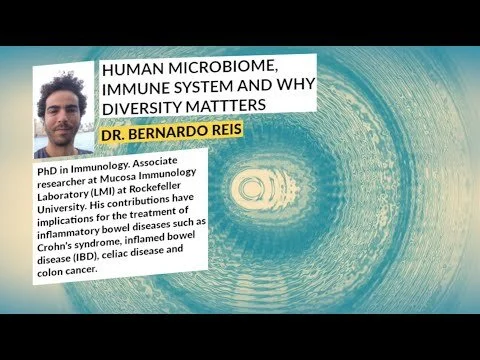
Dr. Bernardo Reis from Rockefeller University shares some details of his research on interactions of the human microbiome and immune system. He discusses the value of diversity (of both the microbiome and diet).
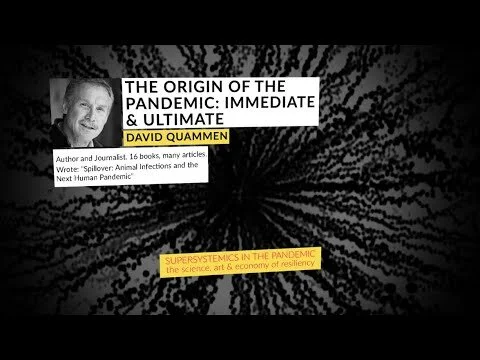
Prolific journalist and writer, David Quammen, shares some insights on how the humanity's disruption of ecosystems leads to pandemics.